How Data Analytics Is Improving Rider Training Plans
Sports & Fitness Gear - 15, January, 2026 -
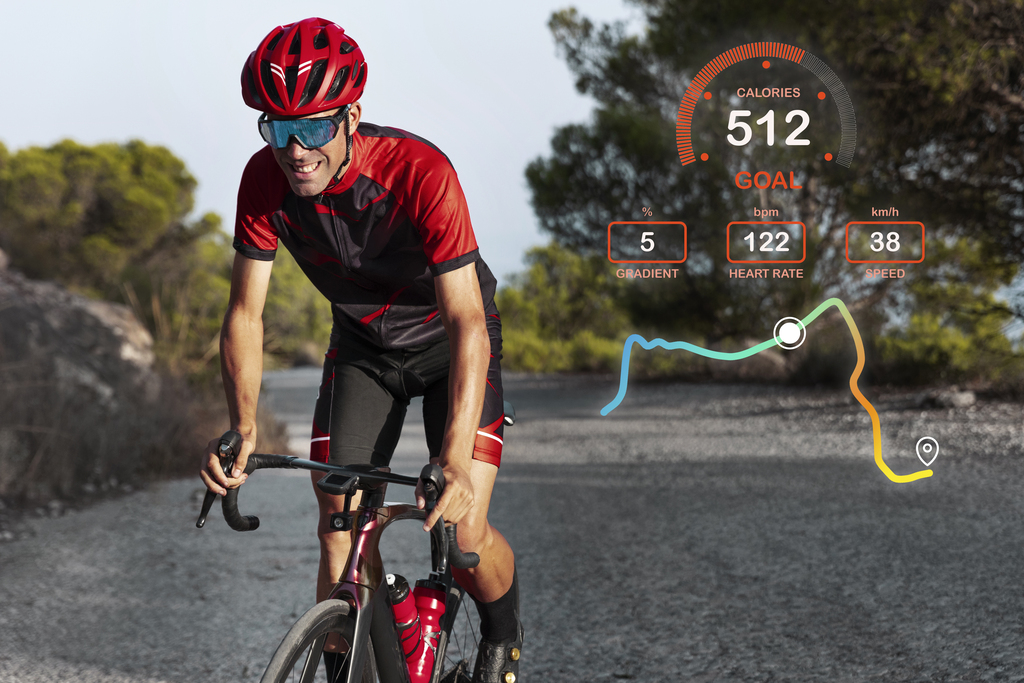
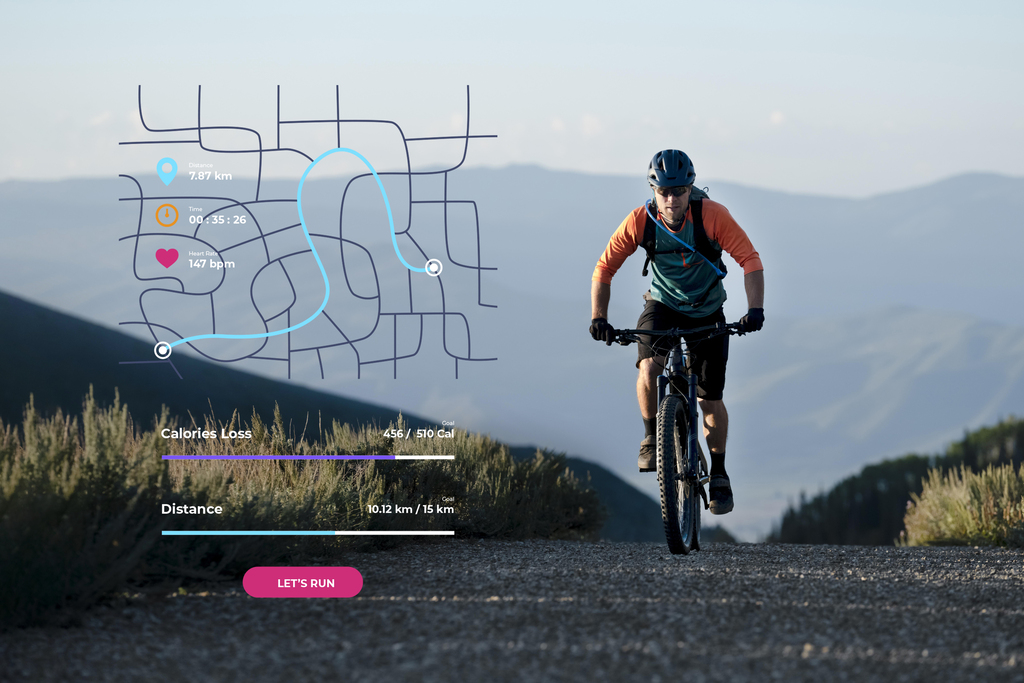
Data is changing the way cyclists train, shop, and improve their performance. With access to real-time insights, riders no longer rely purely on feel or trial-and-error. Instead, they can measure progress, compare training results, and identify weaknesses more accurately than ever before. This shift benefits everyone—from amateur weekend riders who want to stay in shape to committed competitors chasing podium finishes—because data removes guesswork and replaces it with clarity.
Cycling workout analytics, fitness tracking for cyclists, and broader sports performance data have become incredibly accessible thanks to sensors, GPS devices, training apps, and online platforms. Riders can now monitor heart rate, cadence, power output, distance, speed, and recovery, all from their phones or cycling computers. These insights allow cyclists to dial in training zones, plan structured workouts, and adjust intensity to avoid overtraining. As a result, progress becomes measurable and more sustainable, helping riders improve without burning out.
Beyond training, data also influences how cyclists shop and choose equipment. Many modern platforms recommend gear based on riding style, goals, terrain, and recorded performance. This helps riders make smarter, more cost-efficient decisions—whether that means selecting the right bike, upgrading components, or choosing clothing and accessories that match their riding conditions. In the end, data-driven cycling unlocks personalization, precision, and smarter spending, making performance gains more achievable for riders at every level.
Comparing Cycling and Micro-Mobility Shopping Strategies
Cyclists and micro-mobility commuters have different priorities, but both are increasingly data-driven when shopping for equipment or vehicles. Cyclists invest in performance tools that boost speed, endurance, and training efficiency, while commuters focus on durability, smart connectivity, and software features that make daily travel safer and more convenient.
These contrasting goals shape buying behavior: cyclists use power meters, sensors, and ergonomic upgrades to improve on-road performance, whereas commuters rely on battery monitoring, mapping apps, and lightweight or foldable builds for smoother mobility. Both groups also compare metrics and seek out discounts to make smarter, cost-efficient purchases.
Together, these trends show a broader shift toward technology-supported decision-making in mobility. Instead of buying blindly, users now evaluate data, match purchases to their needs, and enjoy more personalized and efficient outcomes—whether they’re training for performance or commuting through the city.
1. Data Analytics and The New Era of Rider Training Plans
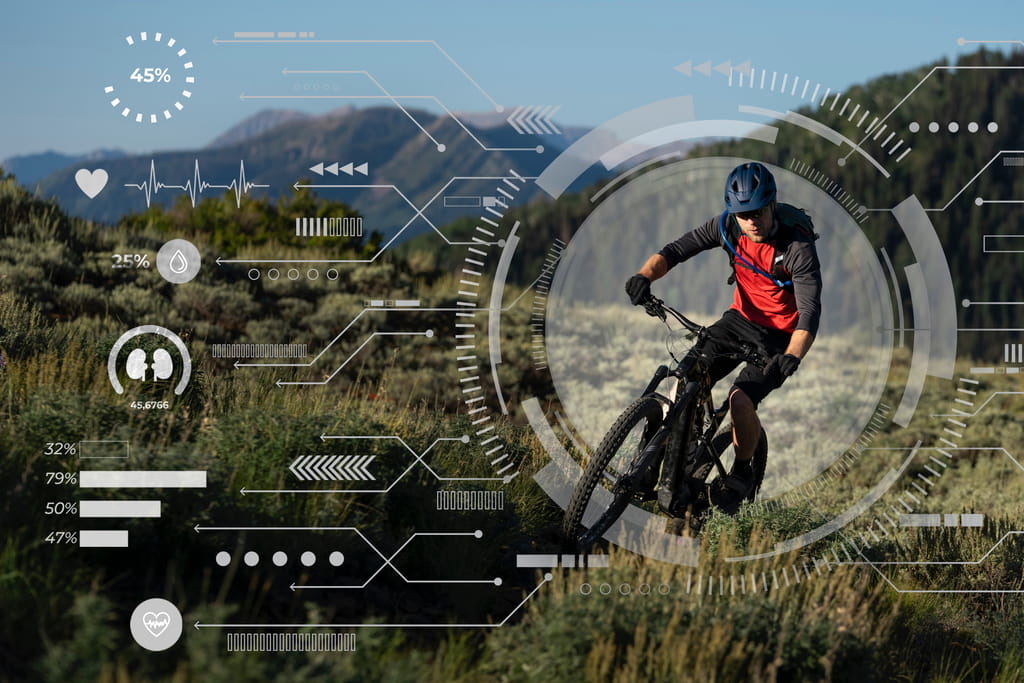
Modern rider training is shifting from instinct-based to scientifically guided. With cycling performance tracking tools, coaches and riders can observe real-time heart rate, cadence, speed, elevation, and power output. This data informs cycling performance metrics that help riders structure workouts that maximize progression, avoid overtraining risks, and build sustainable improvement. These insights eliminate guesswork and allow riders to see exactly what works, what needs improvement, and how their training evolves across time.
Key Features That Make Data-Driven Training Practical
Here are standout components making data-driven training accessible to everyday cyclists:
-
Bike computers and smartwatches are capturing real-time metrics.
-
Power meters measure energy output during rides.
-
Heart rate monitors assess endurance and stress levels.
-
Training apps that log data into ride histories
-
AI coaching tools delivering analysis and workout suggestions
-
Sports performance data dashboards for visual insights
-
Personalized cycling programs based on rider improvement insights
Data does not just make training scientific; it makes it tailored. Riders can track trends, evaluate their form, and optimize training blocks. Smart shoppers can also leverage analytics when choosing bikes, indoor trainers, or accessories. For example, Velo Store Discount Codes make upgrading gear more affordable, especially for riders keen on performance-based equipment like power meters and cycling computers.
2. How Performance Metrics Guide Smarter Cycling Workouts

Cycling performance metrics allow cyclists to precisely target different physiological zones such as endurance, tempo, and sprint output. Before data tools, riders could only guess whether their training matched desired goals. Now, methods like threshold testing, cadence tracking, and heart rate maps give a detailed picture of the body's response to workloads. This helps remove randomness and creates efficient, purpose-based workout structures.
Metrics That Influence Training Optimization
Cyclists commonly track these seven impactful metrics:
-
Heart rate to understand cardiovascular strain
-
Power output to measure actual performance capability
-
Cadence to analyze pedaling efficiency
-
Speed and elevation for environmental context
-
Ride duration for training load volume
-
Stress scores for recovery management
-
Form ratings that reflect accumulated fatigue
Structured data helps riders continually refine their training plans. Many will pair indoor trainers with cycling apps that analyze workouts and provide personalized cycling programs. Riders shopping for smart trainers, power pedals, or efficient apparel often benefit from seasonal deals, and Velo Store are ideal for reducing spending on performance gear while elevating training quality.
3. The Biggest Benefit of Data-Driven Cycling Plans
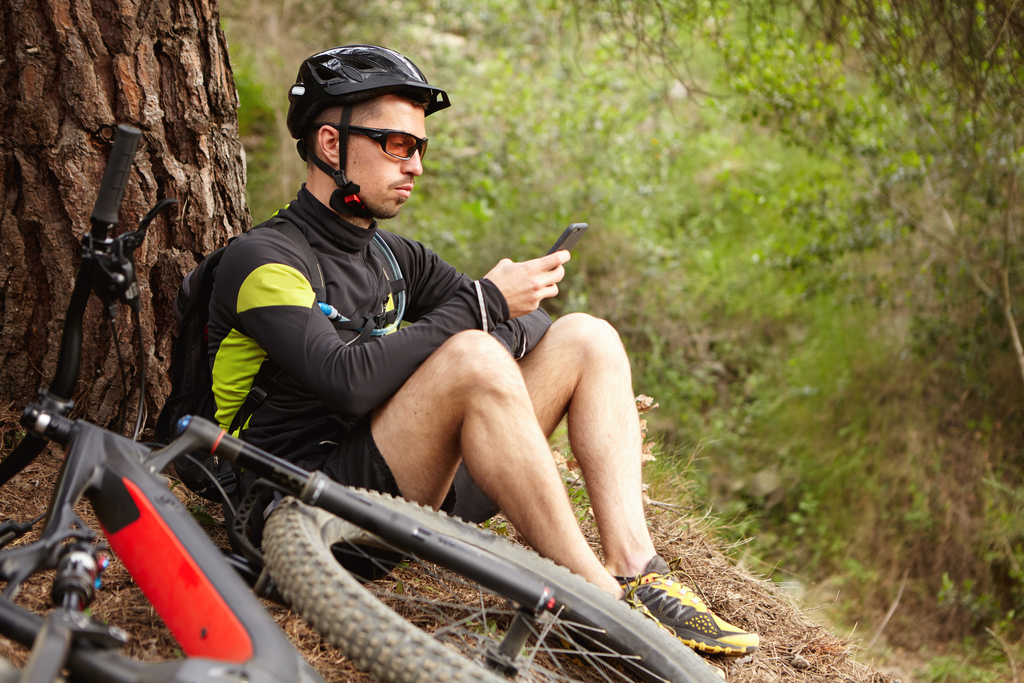
Customization is where data analytics shines the most. Data-driven training plans remove the generic approach and build sessions that respect the rider's individuality. Beginners might focus on endurance building, while advanced riders develop sprint power or anaerobic capacity. Fitness tracking for cyclists ensures that training volume, intensity, and recovery align with the person's lifestyle, goals, and schedule.
Personalized Training Benefits for Cyclists
Personalized plans deliver advantages such as:
-
Reduced risk of overtraining
-
Faster identifiable improvements through tracked data
-
Training aligned with daily energy and stress levels.
-
Clear benchmarks for short-term and long-term goals
-
Better pacing strategies during events
-
More accurate nutritional and recovery planning
-
Smart decision-making when buying gear or supplements
Customization also makes shopping more informed. Riders who know their weaknesses can shop for targeted training tools instead of random gear. Whether you need indoor trainers, cycling shoes, GPS computers, or upgrade components, it helps riders build continuous progress with affordable investments that support long-term cycling goals.
4. From Outdoor Sessions to Virtual Cycling Platforms
Sports performance data is no longer limited to outdoor riding. Cycling platforms such as Zwift, TrainerRoad, and Wahoo SYSTM allow riders to simulate real-world rides indoors while collecting detailed performance analytics. Virtual platforms use rider performance data to adjust difficulty automatically and recommend training schedules.
Reasons Virtual Cycling Platforms Boost Rider Performance
Riders choose virtual cycling platforms for several practical reasons:
-
Consistent training despite outdoor weather conditions
-
Real-time performance feedback and analysis
-
Competitive virtual racing for motivation
-
Guided structured workouts for specific fitness goals
-
Community support and social riding experiences
-
Seasonal training plans aligned with competitive calendars
-
Ability to pair platforms with smart sensors and devices
Indoor platforms also encourage equipment upgrades such as indoor trainers, cooling fans, or ergonomic saddles. Many of these accessories can place financial strain on cyclists, so using Discount Codes makes upgrading more budget-friendly and helps cyclists shop smarter while enhancing their training experience.
5. Data Analytics Meets Smart Shopping for Cycling Gear

Smarter training also leads to smarter purchases. Riders informed by data know what solves performance barriers. For example, a rider struggling with cadence consistency may consider a power meter or cadence sensor. Someone who trains indoors regularly may need a smart trainer. Shoppers can evaluate products not only by brand reputation but by compatibility with training goals.
Smart Shopping Tips for Data-Enabled Riders
Before purchasing cycling gear, consider these ideas:
-
Identify your training gaps using ride analytics.
-
Compare device compatibility with training platforms.
-
Read real data insights from other cyclists.
-
Consider durability, not just marketing claims
-
Track seasonal deals for bigger savings
-
Prioritize performance tools over visual gimmicks.
-
Use vouchers like Velo Store Discount Codes to reduce gear costs.
Riders who apply analytics in both training and shopping end up with more efficient improvements and long-term gear value. This strategy helps cyclists avoid impulsive purchases and invest only in solutions that elevate their performance while remaining financially responsible.
6. E-Scooters and Urban Riders Benefit from Data Analytics
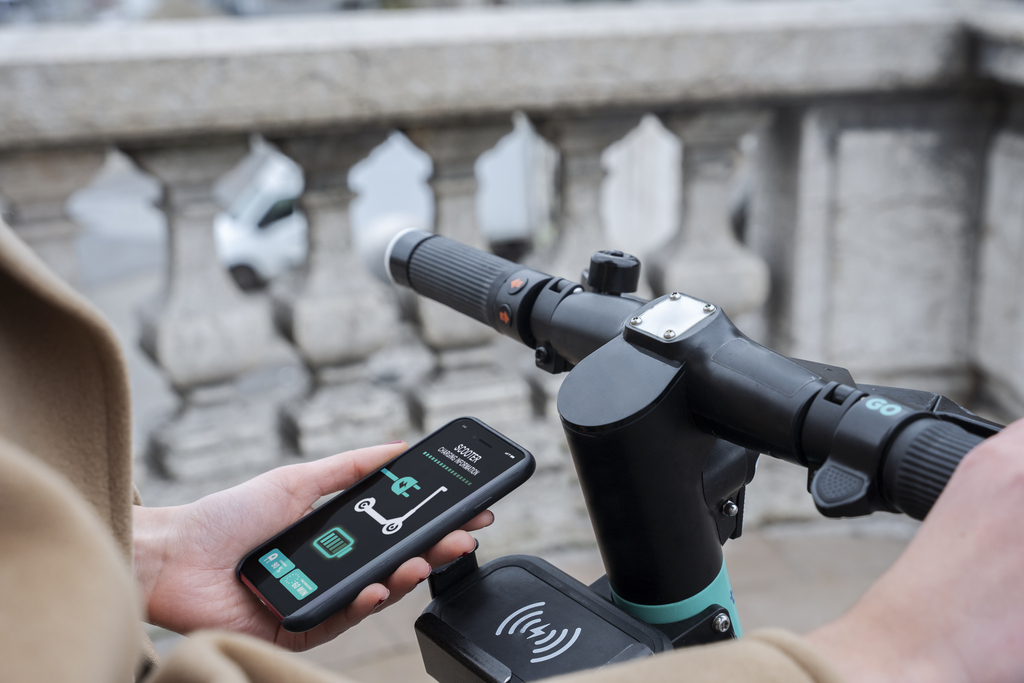
Although cycling dominates sports performance data discussions, micro-mobility devices like electric scooters are catching up. Modern e-scooters often include speed tracking, battery analytics, braking data, and usage mapping. These tools help urban riders navigate efficiently, manage range anxiety, and track vehicle health.
Key Benefits of Data for Urban E-Mobility Riders
Urban riders enjoy notable advantages through performance data:
-
Optimized route planning through mapping apps
-
Battery usage awareness that extends lifespan
-
Safety monitoring for brake wear or tire condition
-
Time-saving by avoiding traffic-heavy routes
-
Improved commuting predictability and punctuality
-
Better budgeting by measuring long-term maintenance needs
-
Insight into riding habits and efficiency
For buyers interested in e-scooters, using ISinwheel Discount Codes can significantly reduce upfront investment costs. This allows commuters to adopt efficient, eco-friendly transport while making financially smart choices.
7. Useful AI Apps for Cycling and Data Tracking
Technology has introduced AI-powered platforms that assist cyclists in tracking performance data, managing workout insights, and adjusting rider training plans. These apps interpret complex metrics and simplify them into actionable recommendations.
Recommended AI-Based Cycling Tools
Some helpful options include:
-
AI-based training apps that build structured plans
-
Mapping platforms that optimize outdoor ride routes
-
Virtual training apps pairing with smart trainers
-
Data dashboards visualizing heart rate and power zones.
-
Coaching platforms analyzing fitness progression
-
Nutrition apps tracking recovery needs
-
Device sync software consolidating sports performance data
These tools allow cyclists to understand improvements without hiring a full-time coach. AI democratizes data interpretation, making analytics useful for riders at all levels.
Benefits of Using Data-Driven Cycling Training Plans
Cyclists gain major advantages when integrating data tracking into their routines because training becomes more intentional and performance becomes measurable. Instead of guessing what works, riders gain clear insights into their strengths and weaknesses, helping them prioritize what actually drives improvement.
With better visibility comes smarter decisions. Data supports safer intensity progression, more efficient race preparation, balanced training loads that reduce injury risk, and even more cost-effective shopping choices. As riders progress, analytics prevent performance plateaus because every metric tells a story that guides the next training phase forward.
Common Mistakes Riders Should Avoid With Data Training
Data-driven cycling offers major benefits, but it can overwhelm new riders when the numbers become too complicated. Many adopt tracking tools without understanding how to interpret the information, which leads to frustration, overthinking, or poorly planned training routines.
Common mistakes include focusing on too many metrics, ignoring recovery, chasing better numbers through overtraining, buying unnecessary gadgets, comparing stats with others, and misunderstanding how long fitness progress actually takes. Staying aware of these pitfalls helps cyclists use data wisely without losing the joy and consistency that make the sport enjoyable.
For verified cycling deals and vouchers, riders often check Getmecodes.co.uk to save money on gear upgrades.
Conclusion
Data analytics is transforming cycling from a guess-based sport into a measurable, strategic activity that accelerates performance improvements. By leveraging cycling performance metrics, rider performance data, and personalized cycling programs, cyclists can train smarter, recover more effectively, and track clear progress. At the same time, understanding analytics makes shopping more intelligent by revealing what equipment genuinely supports rider goals. Using Velo Store Discount Codes, ISinwheel Discount Codes, and WHEELTOP Discount Codes empowers riders to invest in quality upgrades without overspending. As cycling and micro-mobility continue to evolve, data-driven choices will help riders save money wisely, train intelligently, and enjoy mobility more efficiently than ever.
FAQs
1. What is rider performance data, and why is it important?
Rider performance data refers to metrics such as power output, heart rate, cadence, and speed collected during training sessions. This data matters because it helps cyclists understand how their bodies respond to different workloads and environments. Instead of relying on guesswork, riders can analyze trends, identify weaknesses, pace properly, and prevent burnout. It also supports long-term development by showing whether training blocks are productive or require adjustments.
2. How do beginners benefit from data-driven cycling training?
Beginners benefit because data simplifies goal setting and improvement tracking. New riders often do not know how hard to push or how to balance workloads. Fitness tracking tools provide real-time guidance on effort levels, recovery needs, and training volume. This ensures efficient progression without overwhelming the rider. Data also helps avoid unnecessary purchases by highlighting what tools, gear, or components truly matter at different stages of cycling development.
3. Is indoor cycling better for data analysis than outdoor training?
Indoor cycling is often preferred for data accuracy because environmental variables such as wind, traffic, and terrain do not interfere with readings. On indoor smart trainers, power, cadence, and speed remain consistent, making analytics cleaner and easier to interpret. However, outdoor data is equally valuable for understanding terrain adaptation, endurance performance, and real-world pacing strategies. The best approach is to combine both indoor and outdoor data.
4. Do riders need expensive devices to benefit from cycling analytics?
Not necessarily. While power meters and smart trainers offer comprehensive data, many cyclists begin with affordable tools such as heart rate monitors, smartphone apps, and basic cycling computers. As fitness improves, riders can choose to invest in advanced equipment that aligns with their ongoing goals. Smart budgeting using cycling discount codes also helps reduce gear upgrade costs significantly.
5. How does data analytics help with bike-related shopping decisions?
Data analytics reveals a rider's strengths, weaknesses, and performance priorities, making purchases more intentional. For example, a rider who needs better cadence control might invest in sensors instead of random accessories. Someone training for long endurance rides may prioritize aerodynamic wheels or comfortable saddles. Instead of spending blindly, riders choose equipment that supports progress, resulting in better performance and smarter use of money.
Sports & Fitness Gear Discount Stores

























 Sign Up & Get $5 Instantly!